
0

Blog - CPD Learning & Professional Development Tips at Laser Short Courses
Recent Posts
More...
Allergy Safety in Schools: What Schools Need to Know
Friday 4th September, 2026

Keeping Children Safe Online: Is a Social Media Ban the Answer?
Wednesday 1st July, 2026

Safeguarding Children: What’s Changed in 2026?
Tuesday 9th June, 2026

The Growing Challenge of Smart Devices in Exams
Monday 11th May, 2026

Keep Growing This Spring!
Tuesday 5th May, 2026

Inclusive Easter Activities for Children
Wednesday 1st April, 2026

FREE e-Books!
Wednesday 25th February, 2026

Valentine’s Day Activities for Children: Expressive Arts and Design
Monday 2nd February, 2026
.jpg)
New Year, New You? Time to Shift the Focus from ‘Changing’ to ‘Developing’
Tuesday 6th January, 2026

‘Supported, but not expected to succeed’ – How Schools Can Improve Outcomes for Children in Care
Tuesday 18th November, 2025

English as an Additional Language (EAL): A Common Misconception
Monday 20th October, 2025

Keeping Children Safe Online?
Tuesday 19th August, 2025

Understanding Weaning
Monday 18th August, 2025

New features on Laser Short Courses
Wednesday 2nd April, 2025

SEND awareness
Tuesday 18th February, 2025

Inclusive language when talking about families
Tuesday 14th January, 2025

New Year: New skills, knowledge, and confidence!
Friday 20th December, 2024

BIG emotions
Wednesday 13th November, 2024
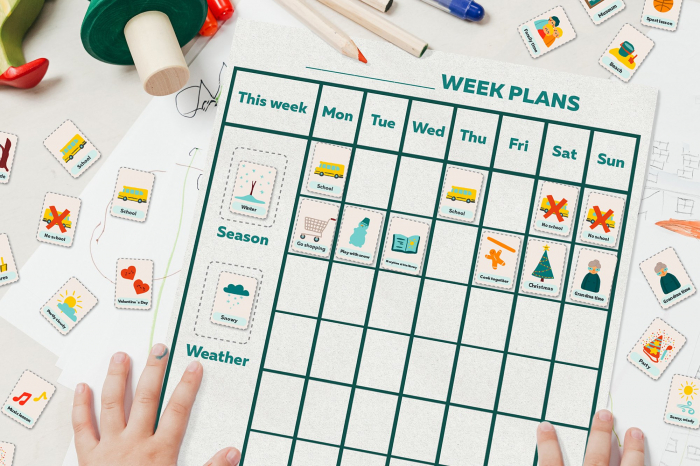
New e-Book for parents and carers: Visual daily planners
Wednesday 24th July, 2024

Course update: Supporting children on the autism spectrum
Thursday 11th April, 2024
Posts By Month
Allergy Safety in Schools: What Schools Need to Know
Friday 4th September, 2026
For children with allergies, feeling safe and included at school depends on everyone understanding how allergies should be managed. A serious allergic reaction can develop quickly, making effective policies, trained staff, and clear emergency procedures essential.
In July 2026, the Department for Education published statutory ‘Allergy Safety in Schools’ guidance, establishing minimum standards for state-funded schools in England. Introduced following the Children’s Wellbeing and Schools Act 2026 and often referred to as Benedict’s Law, the requirements aim to create a more consistent, whole-school approach to allergy safety.
What do Schools Need to Do?
Schools should have a dedicated allergy safety policy that is regularly reviewed and published on their website. It should explain how allergy risks are managed, set out emergency procedures and staff responsibilities, and cover communication with parents, carers, and healthcare professionals.
Staff should also receive allergy awareness training, including how to recognise common allergies and anaphylaxis, reduce exposure to allergens, respond to an allergic reaction, and administer an adrenaline auto-injector (AAI).
It is important to note that practitioners should practise using a AAI trainer device (a reusable, non-medicated practice tool that contains no needle or adrenaline) while completing allergy awareness training, so they gain experience of how the device works.
Schools need systems for identifying pupils with allergies as early as possible and, where active management is required, an Individual Healthcare Plan (IHP) should be in place. This should provide staff with essential information about the child's allergens, symptoms, emergency treatment, medication, and arrangements for activities such as trips and clubs.
Schools should also keep spare adrenaline auto-injectors on site and ensure relevant staff know how to access, store, and use them in an emergency.
Prevention, Emergency Response, and Inclusion
Good allergy management is not simply about responding to emergencies. Schools should reduce risks through measures such as effective food management, cleaning procedures, communication with catering providers, and careful management of activities involving food.
The guidance discourages blanket food bans unless supported by a risk assessment.
If an allergic reaction does occur, staff should be able to recognise the signs quickly, administer adrenaline where required, call 999 without delay, and monitor the pupil until emergency services arrive.
Allergy safety should also extend beyond the classroom. Trips, clubs, celebrations, sports, and other activities should be planned so children with allergies can participate safely. Appropriate risk assessments, access to medication, and clear communication with supervising staff and external providers are key.
A Whole-School Approach
The key message is that allergy safety is a whole-school responsibility.
Clear policies, trained staff, individual plans, accessible emergency medication, and robust procedures can reduce risk while ensuring children with allergies are not unnecessarily excluded from school life.
With the new requirements now in place, this is a good opportunity for schools to review their current approach and ask:
- Are our staff, policies, and procedures ready to respond effectively to an allergy emergency?
Want to strengthen your staff's understanding of allergy safety? Explore our Allergy Awareness for Schools short course and help your team feel more confident in recognising, preventing, and responding to allergic reactions.
Keeping Children Safe Online: Is a Social Media Ban the Answer?
Wednesday 1st July, 2026
The UK Government has announced plans to ban children under the age of 16 from accessing major social media platforms from Spring 2027, following in the footsteps of Australia who was the first country to introduce a ban.
The proposals would require social media companies – not parents – to prevent under-16s from creating or maintaining accounts. Platforms expected to be included are Instagram, TikTok, Snapchat, Facebook, X (formerly Twitter) and YouTube, while messaging services such as WhatsApp are expected to remain available. The plans also include additional protections, such as restricting livestreaming and preventing strangers from contacting children through some online services.
This move has sparked widespread debate among parents, teachers, technology companies, and children's charities.
Supporters believe the ban is a necessary step to protect children's mental health and wellbeing. Critics argue that banning access alone will not solve the underlying problems and could have unintended consequences.
Potential Benefits
1. Better protection from harmful content: Children can be exposed to violent content, self-harm material, unrealistic body images, misinformation, and harmful online challenges.
Reducing access could lessen exposure during the years when children are most vulnerable to peer pressure and social comparison.
2. Improved mental wellbeing: Many researchers have linked excessive social media use with anxiety, poor sleep, reduced concentration, and lower self-esteem.
Although social media is rarely the sole cause of poor mental health, reducing prolonged exposure may benefit some young people, particularly those already struggling with anxiety or low confidence.
3. Less cyberbullying: Cyberbullying can follow children home, making it difficult to escape.
Removing access before the age of 16 could reduce opportunities for online harassment.
4. More time for offline activities: Supporters argue that fewer hours spent scrolling could mean more time for friends and family, hobbies and interests, and outdoor activities.
Many parents also hope it will reduce conflict around screen time.
The Concerns
Many people believe the issue is more complicated than simply removing access.
1. Children may simply bypass the rules: The biggest challenge is enforcement. Children are very digital savvy and may use:
- Fake dates of birth
- Older siblings' accounts
- VPNs
- Shared family accounts
- Alternative platforms with less safeguards
2. Loss of positive online experiences: Social media is not entirely harmful. Many young people use it to:
- Maintain friendships
- Access educational content
- Explore hobbies and interests
- Find communities where they feel accepted
- Receive peer support
For children who feel isolated because of disability, illness, or identity, online communities can provide valuable social connection.
3. Privacy concerns: Effective age verification requires platforms to know users' ages with much greater certainty.
Critics question whether stronger age checks could lead to increased collection of personal information from third-party tech companies.
4. The problem lies with platforms – not children: Some campaigners argue the focus should be on making platforms safer rather than preventing children from accessing them.
They believe technology companies should redesign platforms that deliberately encourage excessive engagement through features such as infinite scrolling, recommendation algorithms, and notifications.
The charity, Save the Children believes governments should focus on making online spaces safe by design. This means requiring technology companies to create platforms that are age-appropriate, protect children's rights, and place children's wellbeing at the centre of product design.
The charity argues that online spaces should become safer for children rather than simply becoming inaccessible to them.
What Can we Learn from Australia?
Australia became the first country to introduce a nationwide social media ban for under-16s, with the law taking effect in December 2025. The UK's plans closely follow the Australian model, making early evidence particularly relevant.
Early Findings: The first independent research suggests the impact has so far been limited.
A University of Newcastle study found that more than 80% of under-16s surveyed were still using social media around three months after the ban came into force. Many had bypassed restrictions using fake accounts, VPNs or weak age verification systems. Researchers concluded that the legislation had made relatively little difference to overall social media use during its early months.
However, the Australian Government argues that it remains committed to the policy and has announced significantly stronger enforcement measures. Technology companies could face fines if they fail to prevent underage access, while regulators are being given greater powers to investigate compliance. Officials say millions of underage accounts have already been removed or restricted, although enforcement remains challenging.
These early findings suggest that legislation alone may not be enough. Effective age verification, platform accountability, and ongoing enforcement will be crucial if the policy is to achieve its aims.
Final Thoughts
We can all agree that children deserve stronger protection online.
Where opinions differ is how that protection should be achieved.
Supporters of the UK ban see it as a bold step that puts children's wellbeing ahead of the interests of technology companies.
Critics argue that the evidence from Australia suggests bans alone may not significantly reduce social media use, and that greater emphasis should be placed on platform design and stronger regulation of technology companies.
Whether the ban proves successful will depend not only on legislation, but also on how effectively it can be enforced, how technology companies respond, and whether wider changes make the online world genuinely safer for children.
As Australia has already demonstrated, introducing a ban may be the easy part. Ensuring it delivers meaningful improvements to children's wellbeing is likely to be the greater challenge.
Useful Links:
- ‘Social media to be banned for under-16s in landmark government move to give kids their childhood back’ by the Department for Science, Innovation and Technology
- ‘Four in five under-16s in Australia using social media despite ban, study shows’ by Anna Bawden, published by The Guardian
- ‘Save the Children Policy Statement on Social Media Bans (2025)’ by Save the Children
Safeguarding Children: What’s Changed in 2026?
Tuesday 9th June, 2026
Working Together to Safeguard Children
In March 2026, the Department for Education published an updated version of the statutory guidance ‘Working Together to Safeguard Children’. While much of the guidance stayed the same, there were several changes that professionals working with children need to be aware of.
These changes include:
- A stronger focus on anti-racist and anti-discriminatory practice, with practitioners expected to recognise AND challenge racism, discrimination, and bias.
- Highlighting the needs and vulnerabilities of unborn babies, infants, and very young children, with practitioners expected to consider safeguarding concerns before birth where risks are identified.
- Looked After Children (LAC) are included in multi-agency safeguarding arrangements (rather than being treated separately).
- Changes to safeguarding reviews and serious incidents – the guidance strengthens expectations for learning from incidents that do not meet formal notification thresholds, and rapid reviews must now be submitted within 15 working days of a Serious Incident Notification (SIN).
- Expanded guidance on online and in-person harm – a stronger recognition of links between online abuse and harm experienced offline, and practitioners need to understand children's digital experiences as part of safeguarding assessments.
- Introduction of the Family Help model, which aims to provide one coordinated system of support and plan for families, rather than families having multiple plans with Early Help and Children's Social Care services.
Family Help
The Key Principles of Family Help are:
- Earlier intervention: Families should receive support before problems escalate into child protection concerns
- One plan: There should be a single coordinated plan that everyone contributes to
- Consistent relationships: Children and families should not repeatedly have to tell their story to new workers as needs change. The model aims to reduce handovers and service transitions.
- Whole-family approach: Recognition that children's outcomes are influenced by parents, carers, siblings, and wider family networks.
- Multi-agency working: Professionals from different services work together as a team
What the introduction of the Family Help model means for schools:
- Earlier identification of concerns
- Greater participation in multi-agency planning
- Contributing information to Family Help assessments and plans
- Working with a wider team around the child and family
- Supporting a single coordinated plan rather than separate interventions
Early Years Foundation Stage (EYFS) Statutory Framework
The EYFS safeguarding reforms introduced in September 2025 are being inspected and embedded in practice in 2026.
These are the key EYFS safeguarding changes now in force:
- The EYFS formally recognises the role of the Designated Safeguarding Lead
- All practitioners must receive safeguarding training and refresh it at least every two years
- Safer recruitment has been strengthened and settings must obtain references before employment starts, clearly describe safer recruitment procedures within safeguarding policies, and demonstrate how suitability checks are undertaken
- A significant new safeguarding requirement is that settings must follow up unexplained or prolonged absences.
- Whistleblowing responsibilities now include volunteers, apprentices, and students on placement
- The safeguarding policy must cover all devices capable of capturing or sharing images
- The EYFS now places greater emphasis on safeguarding during mealtimes to reduce risk of choking
- Privacy during intimate care routines, such as nappy changing, must be maintained
Keeping Children Safe in Education
Recently, a draft of an updated version of ‘Keeping Children Safe in Education’ has been published – this is a consultation version and is expected to come into effect in September 2026.
The biggest impacts on safeguarding practices:
- Safeguarding becomes even more child-centred, and practitioners must listen to the child's voice and make decisions based on the child's needs (rather than organisational processes).
- One of the most significant new sections relates to children questioning their gender, and these situations are now treated as safeguarding matters requiring assessment, parental involvement, and professional judgement.
- The draft updates safeguarding expectations to reflect evolving technology risks
- Child-on-child abuse definitions are broadened and now include deepfake sexual imagery, AI-generated intimate content, misogynistic behaviour, and emerging forms of online sexual harassment. Schools will need to update their policies, recording systems, and training materials to reflect this.
- Mental health concerns are more clearly linked to safeguarding, and practitioners are expected to recognise warning signs earlier and understand when concerns require urgent action.
- Practitioners are expected to report concerns about serious violence (weapons, gang-related, and escalating peer conflict) promptly to the Safeguarding Lead and schools are expected to intervene earlier.
- Police are expected to notify schools when children may have been affected by domestic abuse, enabling schools to provide support quickly.
If you would like to learn more about safeguarding children and the latest guidance, you may wish to complete our courses on:
- Child Safeguarding
- Managing Child Safeguarding (For Team Leaders and Managers in Early Years Settings)
- The Role of the Designated Safeguarding Lead
The Growing Challenge of Smart Devices in Exams
Monday 11th May, 2026
As thousands of students across the country sit their exams this summer, Exam Invigilators play a crucial role in ensuring exams are conducted fairly, regulations are followed consistently, and candidate wellbeing is supported throughout the exam process.
Malpractice
An important responsibility of an Invigilator is preventing malpractice. Malpractice is defined by the Joint Council for Qualifications (JCQ) as:
‘Any act, default or practice, which is:
- A breach of the Regulations; and/or
- A breach of awarding body requirements regarding how a qualification should be delivered; and/or
- A failure to follow established procedures in relation to a qualification.’
Malpractice is not limited to candidates. It can also involve teachers, invigilators and other staff. It includes deliberate cheating, breaches of examination regulations, and maladministration where exam procedures are not followed correctly.
Any alleged or suspected incidents of malpractice must be reported to the awarding body, who will conduct their own investigation. Penalties range from loss of marks to disqualification from qualifications.
Advances in Technology
While malpractice can take many forms, technology is creating new challenges for exam centres and Invigilators. Devices are becoming smaller, more sophisticated, and easier to conceal than ever before.
Exam Invigilators need to remove any items that could be used to cheat before the exam starts, and stay alert for any prohibited items that may have been brought into the exam room. This job is getting more and more difficult with advances in technology, and Invigilators need to be aware of how covert equipment can be used in exams.
Mobile phones and smart devices are the most common form of exam misconduct, with data from Ofqual showing that it accounted for 44% of all student malpractice cases in 2025. It can be hard enough spotting a student with a mobile phone hidden under the desk, but now there are more sophisticated and easily hidden devices that Invigilators need to be aware of.
Examples of advanced technology that invigilators should be aware of include:
- Smart watches
- Smart glasses that play text covertly on the inside of the glasses that only the wearer can see
- Hidden earpieces used for covert communication
- Pens with built-in screens
- Fitness trackers with messaging capabilities
- AI-enabled devices and voice assistants
Many of these devices can access the internet, store notes, communicate with others, or use AI tools to generate answers.
According to Sir Ian Bauckham, the chief regulator of Ofqual, ‘Some of these devices are being marketed openly on the internet specifically as aids to cheating.’
Practical Advice
Advice for Exam Invigilators on preventing smart device misuse during exams:
- Clearly communicating that all devices are prohibited, and displaying the JCQ’s ‘No unauthorised devices poster’ in the exam room
- Remind candidates to switch off and surrender devices before they enter the exam room, and check devices have been placed in the designated storage area
- Make sure candidates understand that smart watches and wearable technology are treated as electronic devices, and must be removed prior to the exam
- Pay close attention to oversized clothing and accessories (particularly jewellery) that may be concealing devices
- Stay vigilant during exams and continuously walk around the room – try not to walk around the room in an observable pattern
- Observe candidates from different angles and places in the room
Be sure to watch for suspicious behaviour, such as:
- Frequently looking at laps, sleeves or pockets
- Repeatedly touching a watch, glasses or ears
- Looking away from the exam paper for extended periods before writing
- Tilting the head as though listening to something
- Keeping hair positioned to conceal the ears
- Whispering or talking under their breath
- Delayed responses when approached by an invigilator
Toilet breaks can present an additional opportunity for malpractice, particularly where candidates have access to personal belongings, mobile phones, or other unauthorised devices. This is why awarding bodies and exam regulations place specific controls around candidates leaving the examination room during an assessment. Exam Invigilators need to record all exits and entries, limit candidates to one at a time, make sure candidates can’t access personal belongings during breaks and investigate frequent or long absences.
Candidates are far less likely to attempt smart-device malpractice when they know invigilators are alert, mobile, and knowledgeable about modern technology.
Useful links:
- ‘Cheating in exams with high-tech smart devices poses growing threat, warns Ofqual chief in new podcast’ on the Gov UK website
- ‘Instructions for Conducting Exams (ICE)’ by the Joint Council for Qualifications
If you are an Exam Invigilator, or working towards the role, and would like to get more guidance on specific responsibilities, you may wish to complete our Short Course on Invigilating Tests and Examinations.
Keep Growing This Spring!
Tuesday 5th May, 2026
In today's fast-paced world, the need for Continuous Professional Development (CPD) learning has become more critical than ever before. ‘Life-long learning’ has become a popular buzzword, with employers and employees alike recognizing the importance of staying up-to-date with the latest trends, technologies, and practices in their respective fields. But what exactly is CPD learning, and why is it so essential? Let's take a closer look.
What is CPD learning?
CPD learning refers to the process of continuously developing your skills, knowledge, and expertise to remain current and relevant in your profession. It involves taking proactive steps to acquire new skills and knowledge and to refine existing ones, through various methods such as formal training programs, workshops, conferences, online courses, and self-directed learning.
What are the benefits of CPD?
The benefits of all this CPD learning are numerous, both for individuals and organisations. Here are just a few:
1. Enhance career prospects: Continuous professional development can improve your career prospects by making you more attractive to potential employers. Employers are always looking for candidates who can demonstrate a commitment to learning and development, as it shows that they are dedicated to improving their skills and knowledge.
2. Stay up-to-date with the latest trends: One of the biggest benefits of CPD learning is that it allows you to stay up-to-date with the latest trends and developments in your field. This is especially important in industries such as technology, where new developments can occur rapidly.
3. Boost confidence and motivation: Continuous learning can help to boost your confidence and motivation, as it enables you to take on new challenges and responsibilities. It can also give you a sense of accomplishment and pride in your work, as you develop new skills and knowledge.
4. Increase earning potential: CPD learning can also increase your earning potential, as it makes you more valuable to your employer. Employers are often willing to pay higher salaries to employees who possess the latest skills and knowledge, as they can make a significant impact on the success of the organization.
5. Improve job satisfaction: By continuously learning and developing your skills, you can improve your job satisfaction. Learning new things can be exciting and challenging, and it can help to keep your work fresh and interesting.
6. Build a professional network: Attending CPD events such as conferences and workshops can be an excellent way to build your professional network. You can meet other professionals in your field and exchange ideas and knowledge, which can be valuable for your career.
Why Choose Laser Short Courses for your CPD learning?
1. Flexible learning: Laser Short Courses offers a wide range of courses that you can complete at your own pace, from anywhere in the world. This means that you can fit your CPD learning around your existing commitments, such as work and family.
2. High-quality content: All of our courses are written by industry experts, ensuring that you receive high-quality content that is relevant to your profession
3. Interactive learning: Our courses are designed to be interactive and engaging, with learning delivered in a way that suits a range of learning styles
4. Affordable pricing: We offer competitive pricing for our courses, making it accessible to professionals at any level
5. Frequent updates: We are always writing and adding new courses so there’s always something new to keep you interested and informed. We also regularly review and update existing courses to help you stay up-to-date with the latest policy and practice.
6. Quality checked: The majority of our short course content has been checked for quality and currency by a leading awarding organisation (NCFE CACHE).
Keep growing this Spring and register for an account with Laser Short Courses. Use discount code: KEEPGROWING50 for 50% off your first purchase.