
0

BIG emotions - Blog - CPD Learning & Professional Development Tips at Laser Short Courses: BIG emotions
BIG emotions
Wednesday 13th November, 2024

We all have big emotions that are difficult to control and manage sometimes. Even as adults, we can be consumed by these feelings and express them in an unfiltered way that may surprise those around us. For children and young people who have a condition associated with emotional dysregulation, or who haven’t fully developed self-regulation skills – big emotions can result in strong emotional expression.
When in a heightened state of emotion, the part of the brain that is concerned with logical thinking and controlling actions (prefrontal cortex) goes ‘offline’ and is impaired by chemicals released during stress. This means that the child will really struggle to control their actions and it’s very likely they will have an outburst.
To parents and those of us who work with children, this may look like:
• Tantrums
• Crying uncontrollably
• Freezing and not engaging with you
• Laughing or smiling at inappropriate moments
• Withdrawing from social interactions and activities
• Arguing, bickering, and snapping at people around them
• Running away or hiding when in a busy and overwhelming environment
When someone is behaving in these ways, they are trying to communicate that they are not ok and need some help with their big emotions. The more you support someone with their big emotions, the more able they are to regulate their emotions in the future.
Caregivers have been told in the past to ignore a child who is having a ‘tantrum’ or ‘acting out’ and give them a time out so they learn to calm down by themselves. But, more modern childcare advice recommends helping the child understand and manage their big emotions instead. In practice, this means naming emotions and helping them to learn ways to describe their feelings using their preferred communication style.
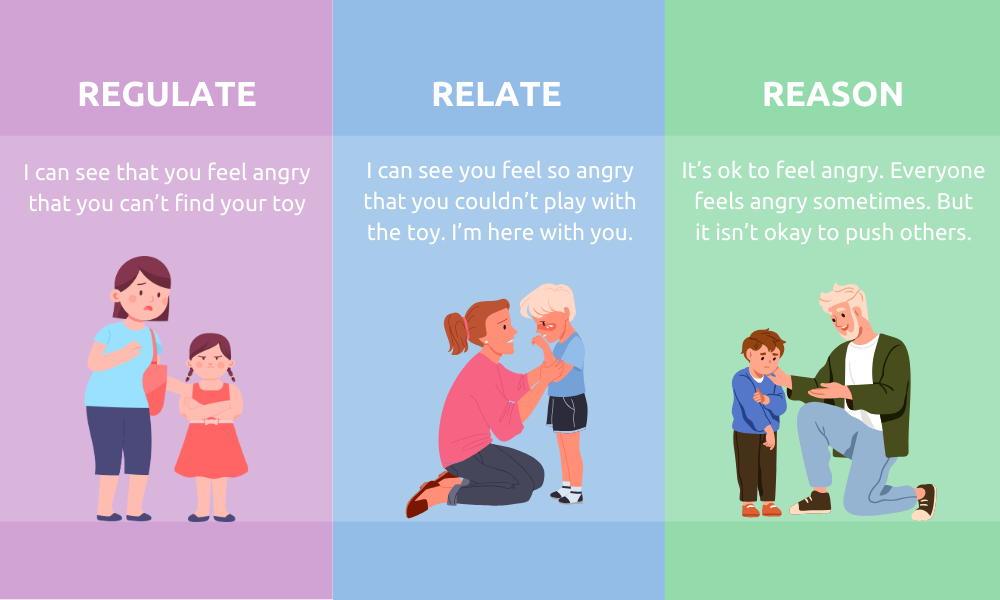
When supporting children and young people to manage their emotions, one of the most important things to remember is that you’re helping them to regulate and manage their emotions, not ‘control’ them. Asking children to ‘control’ themselves may result in pushing down the emotion, not processing it, and using a lot of willpower and self-control that they just don’t have in the moment. Managing the emotion allows them to release the energy and adrenaline that comes with the emotion, and find ways to understand and process it. Strong emotions, like anger and anxiety, are often the body’s way of preparing us for action in response to a danger or threat. That is very difficult to ignore and by asking a child to ‘control’ their emotions, we’re asking them to react in a completely unnatural way.
If you would like to learn more about big emotions and strategies that can help with managing emotions, you might like to take our short course on Managing behaviour or Big emotions and emotional regulation (for SEND students).